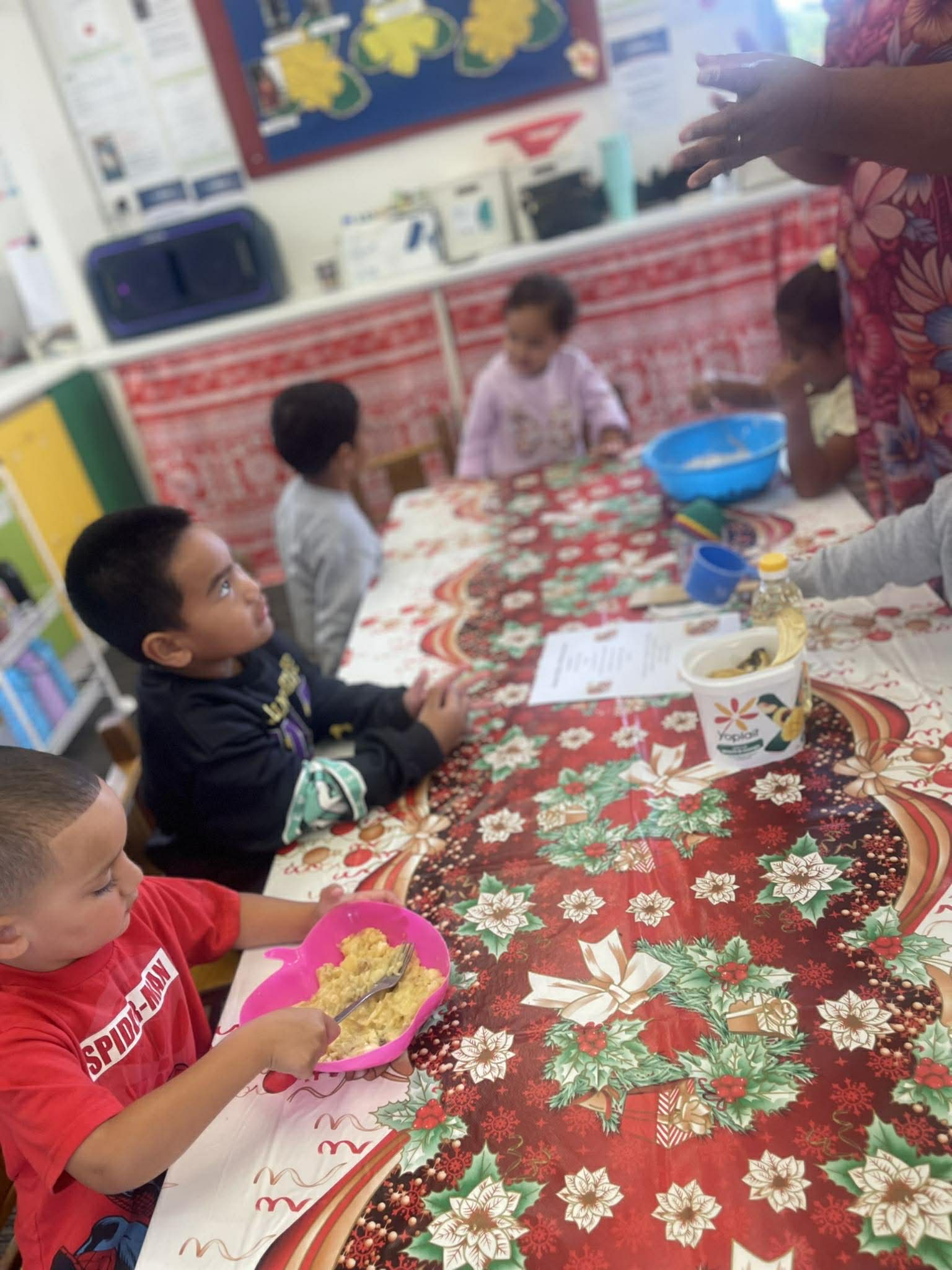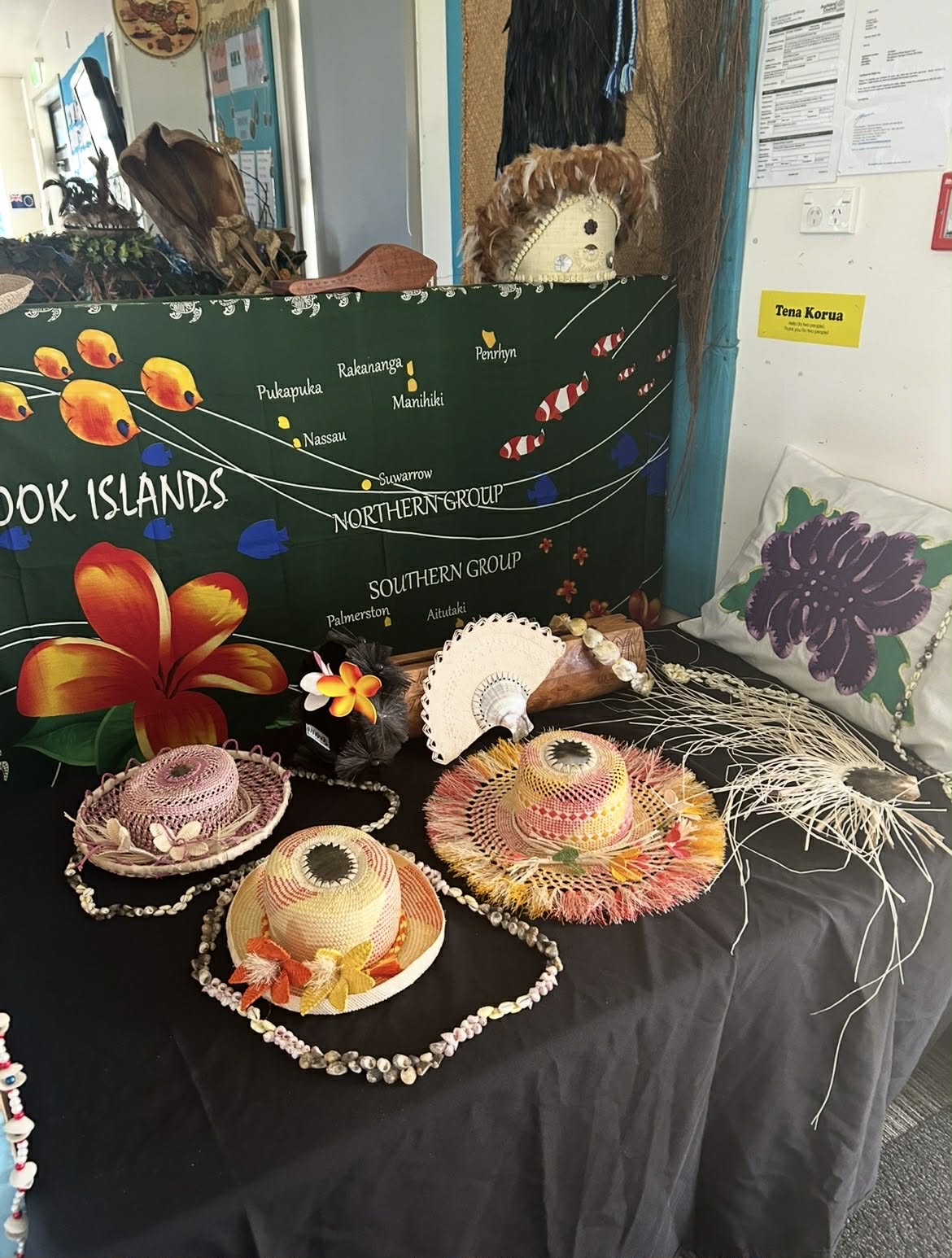
"Aunty Moe speaks fluent Mangarongaro and supports the centre in upholding our Philosophy and where our Mangarongaro language continues to be supported alongside our Mangarongaro values, customs and beliefs."
— Temaria Tengange · February 2026In early 2026, Aunty Moetetau Temanu achieved full teacher registration with the Teaching Council of Aotearoa New Zealand. For most early childhood centres, a staff member gaining registration is a routine professional milestone. For Akaiti Mangarongaro, it is something far more significant. It is evidence that a small, community-governed, bilingual ECE centre in Mangere East can do what the sector often assumes only large, well-resourced institutions can do: develop a fluent heritage-language speaker into a fully qualified, nationally registered teacher — without losing the cultural values that make her irreplaceable.
Aunty Moe's journey reflects a model of workforce development that the early childhood sector desperately needs but rarely invests in. She did not arrive at Akaiti Mangarongaro with a teaching degree. She arrived with something equally valuable: fluency in Mangarongaro, deep cultural knowledge, and a genuine connection to the community the centre serves. Over years of mentorship, professional development, and practical experience — supported by Centre Manager Temaria Tengange and the Torohata Trust Board — she progressed through the qualifications pathway while continuing to teach full-time. This is what "growing our own" looks like in practice. It is slow. It is intentional. And the outcome is a teacher who carries both professional expertise and cultural authority — a combination that cannot be recruited from outside.
The significance of Aunty Moe's registration extends well beyond the centre walls. Across New Zealand, there is a critical shortage of bilingual and Pacific-language teachers in early childhood education. Many community-based centres struggle to meet the Ministry of Education's teacher qualification requirements while also maintaining genuine cultural and linguistic programmes. Aunty Moe's achievement demonstrates that these two goals are not in conflict. A centre can meet — and exceed — professional standards while remaining deeply rooted in community governance and heritage language. This is not an either/or proposition. Akaiti Mangarongaro has proven it can be both.
For the tamariki at the centre, Aunty Moe's registration means continuity. It means the person who speaks to them in fluent Mangarongaro, who models the customs and values of their island heritage, who knows their families and their stories — that person is not going anywhere. She is qualified. She is registered. She is recognised by the system as the professional she has always been. And for a community that has spent 28 years fighting to keep its language alive, having a fully registered teacher who embodies that language is not just a milestone — it is a statement that the work is succeeding, and that the next generation of Cook Island tamariki in South Auckland will hear their language spoken by someone who earned the right to teach it at the highest level.